February 22, 2025
The Power of Family Traditions: Building Bonds That Last a Lifetime
How simple rituals and meaningful celebrations create the foundation for stronger family connections and lasting memories
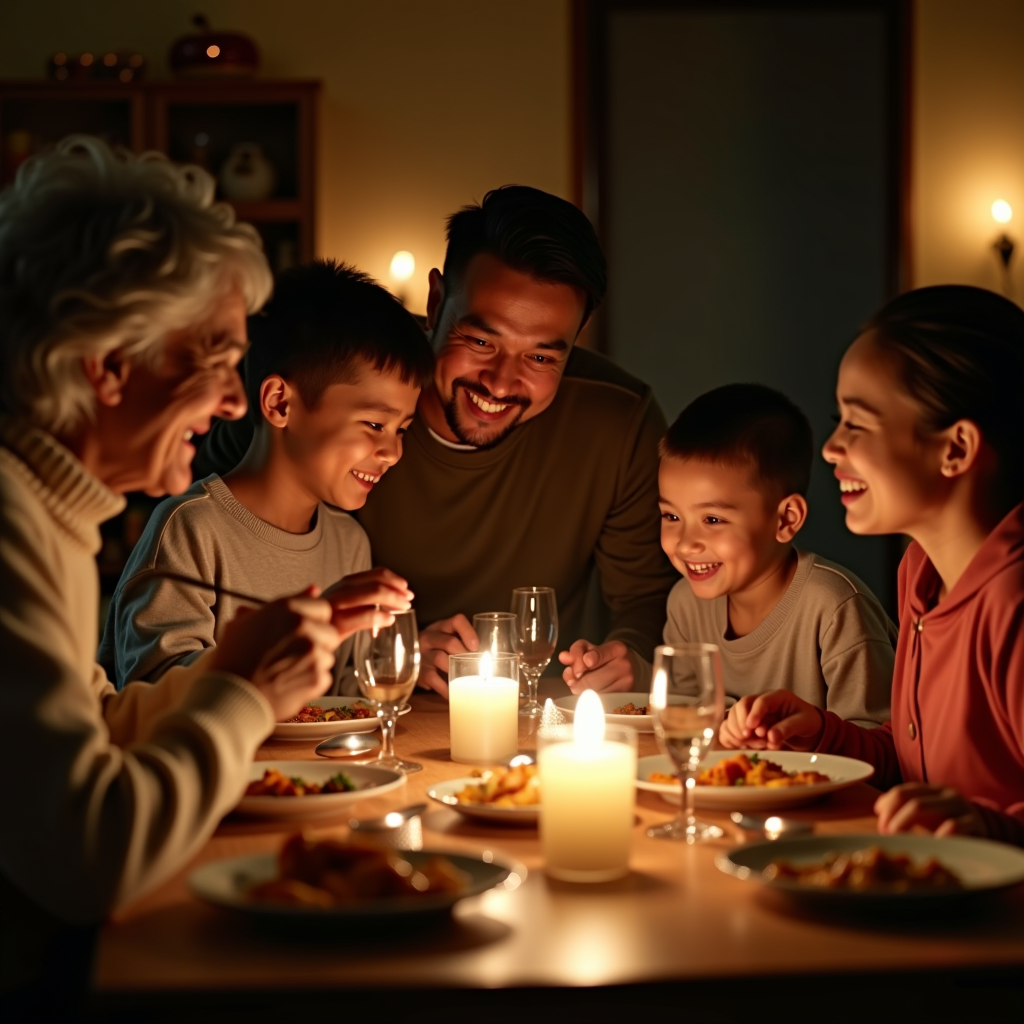
In the hustle and bustle of modern life, family traditions serve as anchors that ground us, connect us, and remind us of what truly matters. Whether it's a weekly pizza night, an annual camping trip, or a simple bedtime ritual, these repeated experiences create a tapestry of shared memories that strengthen family bonds and provide children with a sense of security, identity, and belonging.
Research consistently shows that families who maintain regular traditions report higher levels of satisfaction, better communication, and stronger emotional connections. But traditions don't have to be elaborate or expensive to be meaningful. In fact, some of the most cherished family memories come from the simplest, most consistent rituals that families create together.
Here on Long Island, we've witnessed countless families discover the transformative power of establishing and maintaining meaningful traditions. From Montauk to Manhattan's doorstep, families are finding creative ways to build connections that transcend the daily grind and create lasting legacies of love and togetherness.
Understanding the Different Types of Family Traditions
Daily and Weekly Rituals
The most powerful traditions are often the ones that happen most frequently. Daily and weekly rituals create a rhythm to family life that children can count on, providing stability and predictability in an unpredictable world.
Consider the Martinez family from Huntington, who established "Taco Tuesday" five years ago when their oldest was just three. What started as a simple weeknight dinner has evolved into a cherished tradition where everyone helps prepare the meal, shares their highs and lows from the day, and connects without the distraction of devices. "It's the one night we all look forward to," shares Maria Martinez. "Even our teenagers plan their schedules around it."
Other examples of daily and weekly traditions include:
- Morning coffee or breakfast together before the day begins
- Bedtime stories and tucking-in rituals that create security
- Friday movie nights with homemade popcorn
- Sunday morning pancake breakfasts where everyone helps cook
- Evening walks around the neighborhood after dinner
- Saturday morning farmers market visits
The key to successful daily and weekly traditions is consistency. Children thrive on routine, and knowing that certain activities happen at predictable times helps them feel secure and valued. These regular touchpoints become the foundation upon which deeper family connections are built.
Monthly and Seasonal Celebrations
Monthly and seasonal traditions provide something to look forward to and help mark the passage of time in meaningful ways. These traditions often become the stories that children tell their own children years later.
The Chen family in Port Washington has created a beautiful tradition around the changing seasons. Each equinox and solstice, they take a family photo at the same spot on the beach, documenting how their children grow and change throughout the year. "We've been doing this for eight years now," explains David Chen. "Looking back at those photos, you can see not just how the kids have grown, but how our family has evolved. It's incredibly powerful."
Seasonal traditions might include:
- First day of spring picnic at a favorite park
- Summer beach bonfire nights with s'mores
- Fall apple picking and pie baking together
- Winter hot chocolate and holiday light tours
- Monthly "adventure days" where each family member takes turns choosing the activity
- Quarterly volunteer days as a family at local organizations
These less frequent traditions create anticipation and excitement. Children learn to appreciate the rhythm of the year and develop patience as they wait for their favorite seasonal activities to come around again.
Annual Traditions and Milestone Celebrations
Annual traditions and milestone celebrations become the tentpoles of family life, creating memories that last a lifetime. These are the traditions that children remember most vividly and often continue with their own families.
The O'Brien family from Babylon has maintained an annual camping trip to the same campground in the Adirondacks for twelve consecutive years. "We've watched our kids grow from toddlers who needed help with everything to teenagers who can set up the entire camp themselves," says Patrick O'Brien. "The location stays the same, but the experience evolves with our family. It's our reset button, our chance to reconnect away from everything else."
Birthday traditions deserve special mention. Rather than elaborate parties every year, many Long Island families are creating meaningful birthday rituals that focus on celebrating the individual child. The Thompson family lets the birthday child choose every meal for the day, decorates their bedroom door with photos from the past year, and writes them a letter highlighting their growth and achievements.
Other annual traditions might include family reunions, holiday celebrations with specific rituals, anniversary trips, back-to-school traditions, or end-of-year reflection activities where families review photos and memories from the past twelve months.
How to Start New Family Traditions
Starting new traditions doesn't require a grand plan or perfect execution. In fact, the best traditions often emerge organically from simple, enjoyable activities that families naturally want to repeat. However, being intentional about creating traditions can help ensure they stick and become meaningful parts of your family culture.
Start Small and Simple
The most sustainable traditions are those that don't require extensive planning, significant expense, or perfect conditions. Sarah Kim, a family counselor who works with families across Nassau County, emphasizes this point: "I see families burn out trying to create Instagram-worthy traditions. The magic isn't in the production value; it's in the consistency and connection."
Consider starting with something as simple as a weekly game night, a monthly ice cream outing, or a daily gratitude share at dinner. The Rodriguez family in Massapequa started their tradition with just five minutes before bed where each family member shares one thing they're grateful for from the day. "It's so simple, but it's transformed our evenings," shares Elena Rodriguez. "Even on tough days, we end on a positive note."
Involve Everyone in the Process
Traditions that involve input from all family members are more likely to be embraced and maintained. Hold a family meeting to brainstorm ideas, or try different activities to see what resonates with everyone. Children who feel ownership over family traditions are more invested in maintaining them.
The Williams family created a "tradition jar" where family members can submit ideas throughout the year. Every few months, they draw an idea from the jar and try it out. If everyone enjoys it, they add it to their regular rotation. "It keeps things fresh and ensures everyone's voice is heard," explains Marcus Williams.
Build on Existing Activities
Look at what your family already enjoys doing together and consider how to formalize or enhance those activities into traditions. If you already enjoy weekend breakfasts together, perhaps you could designate one Saturday a month as "breakfast adventure day" where you try a new local restaurant or recipe.
The Patel family noticed they all enjoyed cooking together, so they created "Cultural Cuisine Sundays" where they explore recipes from different countries. "We've learned so much about world cultures through food," says Priya Patel. "And our kids are adventurous eaters now because they've been part of preparing these dishes."
Be Consistent But Flexible
Consistency is key to establishing traditions, but rigidity can make them feel like obligations rather than celebrations. Life happens, schedules change, and sometimes traditions need to be adjusted. The goal is to maintain the spirit of the tradition even if the exact execution varies.
If your weekly pizza night has to be moved to Thursday one week because of a conflict, that's okay. If your annual camping trip needs to become a staycation one year due to circumstances, you can still maintain the tradition of dedicated family time away from normal routines.
Adapting Traditions as Children Grow
One of the beautiful aspects of family traditions is how they can evolve alongside your family. What works for a family with toddlers will look different when those children become teenagers, and that's not only okay—it's necessary for traditions to remain relevant and meaningful.
Evolving Roles and Responsibilities
As children mature, they can take on more active roles in family traditions. The bedtime story that parents once read can evolve into children reading to younger siblings, then to family book club discussions with teenagers. The holiday cookies that parents baked while children watched can become a tradition where teens take the lead, teaching younger siblings the family recipes.
The Anderson family from Garden City has maintained their Sunday dinner tradition for fifteen years, but it looks very different now than it did when their children were young. "When they were little, we did all the cooking and they helped set the table," explains Jennifer Anderson. "Now our teenagers plan the menu, shop for ingredients, and prepare entire meals. We still gather every Sunday, but their growing independence is part of the tradition now."
Respecting Changing Interests
Teenagers, in particular, may resist traditions that feel childish or that conflict with their growing independence and social lives. Rather than abandoning traditions entirely, consider how they might be modified to remain appealing to older children while still maintaining their core purpose of family connection.
The Garcia family's movie night evolved from animated films to letting their teenagers choose more mature movies and inviting their friends to join occasionally. "We were worried we'd lose this tradition when they became teens," shares Roberto Garcia. "But by being flexible about what we watch and who joins us, it's actually become even more important to them."
Creating New Traditions for New Stages
Different life stages call for different types of traditions. As children enter new phases—starting school, becoming teenagers, getting driver's licenses, preparing for college—these transitions can be marked with new traditions that honor their growth.
The Morrison family created a tradition of taking each child on a special one-on-one trip with a parent when they turn thirteen, sixteen, and eighteen. "These trips have become sacred time for deeper conversations and creating individual memories," explains Lisa Morrison. "Our oldest is now twenty-two, and she still talks about her trips as some of her most treasured memories."
The Deeper Impact of Family Traditions
Beyond the joy and connection they provide in the moment, family traditions have profound long-term impacts on children's development, family resilience, and overall well-being.
Building Identity and Belonging
Family traditions help children understand who they are and where they come from. They create a sense of belonging to something larger than themselves and provide a framework for understanding their place in the family and the world.
"When children can say 'In our family, we...' they're expressing their identity," explains Dr. Rachel Foster, a child psychologist who works with families throughout Suffolk County. "Those traditions become part of their story, part of who they are. That sense of identity is crucial for healthy development."
Creating Emotional Security
In an unpredictable world, traditions provide stability and predictability that children need to feel secure. Knowing that certain things will happen at certain times, that the family will come together in specific ways, creates a foundation of safety and trust.
This security becomes especially important during times of stress or transition. Families who maintain their traditions during difficult periods—divorce, job loss, illness, relocation—report that these rituals provide crucial stability and normalcy when everything else feels uncertain.
Strengthening Communication and Connection
Regular family traditions create natural opportunities for communication and connection that might not otherwise occur in busy daily life. Whether it's the conversation that happens during a weekly dinner tradition or the bonding that occurs during an annual camping trip, these dedicated times together strengthen family relationships.
The Lee family from Smithtown credits their tradition of "Sunday morning walks" with keeping communication open with their teenagers. "It's easier to talk about difficult things when you're walking side by side rather than sitting face to face," notes Michael Lee. "Some of our most important conversations have happened during those walks."
Passing Down Values
Traditions are powerful vehicles for transmitting family values from one generation to the next. Whether it's a tradition of volunteering together that teaches compassion and service, a practice of gratitude sharing that cultivates appreciation, or cultural celebrations that honor heritage, traditions embody and communicate what matters most to your family.
The Jackson family's tradition of spending Christmas morning serving meals at a local shelter has profoundly shaped their children's understanding of community and service. "Our kids don't just know that helping others is important—they've lived it every year of their lives," shares Denise Jackson. "It's become part of who they are."
Real Stories from Long Island Families
The Sullivan Family: Breakfast Letters
When the Sullivan children from Rockville Centre started middle school, mornings became rushed and stressful. To maintain connection during this hectic time, parents Tom and Catherine started leaving short notes at the breakfast table—words of encouragement, funny observations, or simple "I love you" messages.
"It started as a way to say things we didn't have time to say in the morning rush," Catherine explains. "But it became so much more. Our kids started writing back, leaving notes for each other and for us. We have boxes full of these notes now, and they're treasures."
Now in high school, the Sullivan children still find notes at breakfast, and they still write back. During particularly stressful times—exams, college applications, relationship troubles—these notes have provided crucial support and connection.
The Nguyen Family: Cultural Heritage Nights
The Nguyen family of Hicksville wanted their American-born children to maintain connection with their Vietnamese heritage. They created "Heritage Nights" once a month where they cook traditional Vietnamese dishes, share stories from their family history, teach Vietnamese phrases, and sometimes video call relatives in Vietnam.
"Our children are proud of their heritage because they've experienced it, not just heard about it," says Linh Nguyen. "They can cook pho, they know family stories going back generations, and they feel connected to a culture and history that's part of who they are."
The tradition has evolved to include exploring other cultures as well, teaching the children to appreciate diversity while honoring their own roots.
The Foster Family: Adventure Jar
The Foster family from Patchogue created an "Adventure Jar" filled with ideas for local outings and activities. Every other Saturday, they draw an adventure from the jar and spend the day exploring Long Island together—visiting a new beach, hiking a different trail, trying a new restaurant, or exploring a local museum.
"We've lived on Long Island our whole lives, but this tradition has helped us discover so many places we'd never been," shares Amanda Foster. "More importantly, our kids have learned to be adventurous and open to new experiences. They're not afraid to try new things because adventure is part of our family culture."
The family documents each adventure with photos and journal entries, creating a rich record of their explorations and family growth.
The Brown Family: Gratitude Tree
Every November, the Brown family from Levittown creates a "Gratitude Tree" in their home. Throughout the month, family members write things they're grateful for on paper leaves and add them to the tree. On Thanksgiving, they read all the leaves together before dinner.
"What started as a craft project has become one of our most meaningful traditions," explains James Brown. "Reading those leaves on Thanksgiving, seeing what each person is grateful for, creates such a powerful moment of connection and appreciation. We save the leaves each year, and looking back at previous years shows us how much we have to be thankful for."
The tradition has taught the Brown children to actively notice and appreciate the good things in their lives, a practice that extends well beyond November.
Making Traditions Inclusive and Meaningful for Everyone
For traditions to truly strengthen family bonds, they need to be inclusive and meaningful for all family members. This requires attention to different personalities, needs, and preferences within the family.
Honoring Different Personalities
Not everyone in the family will enjoy the same activities. Extroverted children might love big family gatherings, while introverted children might prefer quieter, smaller traditions. Active kids might thrive on adventure traditions, while others prefer creative or contemplative activities.
The solution isn't to avoid traditions that don't appeal to everyone, but rather to ensure there's variety in your family's tradition portfolio. Have some traditions that are active and some that are quiet, some that are social and some that are intimate, some that are structured and some that are flexible.
Creating Individual Traditions
While whole-family traditions are important, individual traditions between parents and specific children can be equally valuable. These one-on-one traditions help each child feel seen and valued as an individual, not just as part of the family unit.
The Mitchell family has both whole-family traditions and individual parent-child traditions. Each child has a special activity they do regularly with each parent—one daughter has monthly breakfast dates with dad, another has weekly library visits with mom, their son has Saturday morning basketball with dad and Sunday afternoon baking with mom.
Adapting for Blended Families
Blended families face unique challenges in establishing traditions. It's important to honor existing traditions from both families while also creating new traditions that belong to the newly formed family unit.
"We didn't try to erase the traditions from our previous families," explains Karen Stevens, whose blended family in Commack includes four children from two previous marriages. "We kept what was important to each child and added new traditions that we created together. It took time, but now we have a rich tapestry of traditions that honor our complex family story."
Including Extended Family
Many families find that including grandparents, aunts, uncles, and cousins in certain traditions enriches the experience and strengthens extended family bonds. This is particularly valuable in our increasingly mobile society where extended family may not live nearby.
The Rossi family hosts an annual "Cousin Camp" where all the cousins spend a weekend together at their home in East Northport. "Our kids don't see their cousins regularly since family is spread across different states," shares Maria Rossi. "This tradition ensures they maintain those relationships and feel connected to their extended family."
Moving Forward: Your Family's Tradition Journey
The power of family traditions lies not in their complexity or cost, but in their consistency and the intention behind them. Whether you're starting fresh with new traditions or revitalizing existing ones, the most important step is simply to begin.
Remember that traditions don't have to be perfect to be meaningful. The slightly burnt cookies made together are more valuable than perfect store-bought ones. The camping trip where it rained the whole time becomes a funny family story. The tradition that doesn't quite work out can be adjusted or replaced with something better.
What matters is showing up, being present, and creating those moments of connection that will become the foundation of your family's shared story. Years from now, your children won't remember the perfect execution of every tradition, but they will remember the feeling of belonging, the security of knowing what to expect, and the love that surrounded these repeated moments together.
As you think about your own family's traditions—both those you want to maintain and new ones you want to create—consider what values you want to pass down, what memories you want to build, and what kind of family culture you want to cultivate. Let those intentions guide your choices, and trust that even small, simple traditions can have profound impacts.
The families across Long Island who have shared their stories for this article all started with a single tradition, a simple idea that grew into something meaningful. Your family's tradition journey begins with that same first step—choosing one thing to do together, consistently, with intention and love. The bonds you build through these traditions will last far beyond childhood, creating a legacy of connection that spans generations.
Building Stronger Families Together
At Lucky Guys Of Long Island, we believe in the power of family connections and community support. Whether you're looking for resources to strengthen your family bonds or seeking guidance on creating meaningful traditions, we're here to help families across Long Island thrive.